Click on a photo to enlarge.
A storm with gusting winds left a property in commerce with roof damage. The damage included several missing and damaged shingles, exposing the home to water damage. Common signs of roof damage include granule loss appearing in gutters, rising energy bills, and structural sagging. In addition to storm damage, ice damming, falling trees, and temperature cycles can weaken the roof's integrity. When deciding whether to file an insurance claim, it's important to act quickly and document as much as possible.
Unpredictable property damage makes it crucial to have an insurance agent or project manager who truly has your best interests in mind. Upon noticing the water spots on the ceiling and drywall, the homeowner contacted their insurance provider to determine the best next steps. Navigating roof repair or replacement with insurance can be tricky, and several factors like aging, normal wear and tear, and poor maintenance are considered during a claim event.
After discussing the event with the agent, the homeowner selected Level Creek from State Farm's preferred repair contractor list to manage the roof damage recovery process. Contractors arrived immediately to assess the damage, tarp the roof, and coordinate next steps with the homeowner and their insurance provider. Once it was confirmed that the roof damage would be covered under the policy, Level Creek assisted the homeowner in filing an insurance claim.
The residential roof repairs included replacing damaged shingles, fixing the leak, and addressing water damage to the interior. Roof repair costs can vary depending on the materials selected and the extent of the damage. Our project manager discussed every step with the homeowner, ensuring an affordable and high-quality repair.
Our customers AC Unit leaked throughout their ceiling and to the floor below. Our project manager, Travis, was out there to help ASAP to get their home put back together.
Great Work, Travis!
Unfortunately, appliance leaks are a leading cause of water-related property damage. Several appliances are likely to leak, including dishwashers, refrigerators, washing machines, water heaters, air conditioners, and more. Since the home flooding was sudden and accidental, the homeowner's insurance covered the mitigation and reconstruction repairs. The homeowner contacted their local insurance company to file a claim and select Level Creek from the insurance company's preferred repair network.
After the appliance overflowed, the Gillsville, Georgia homeowner noticed that their hardwood flooring was discolored, warped, and had a musty odor. Before the flooring can be replaced, immediate action to prevent further damage is necessary. The water damage repair process begins with mitigation. Mitigation involves determining the source of the leak, stopping the flow of water, removing the water, and lastly drying out the home. Mitigation also includes cleaning and mold prevention.
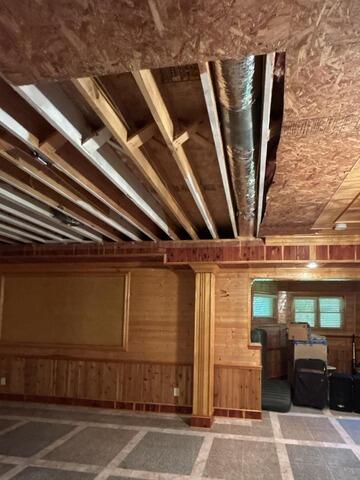
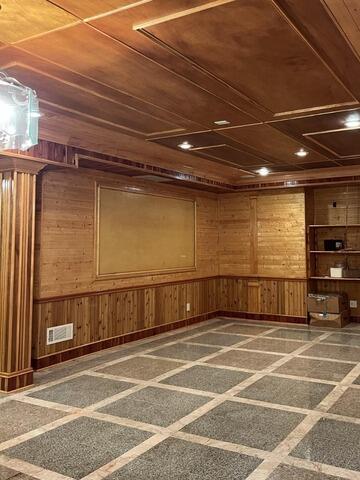
After water extraction and mitigation, the restoration process of returning the property to its pre-loss condition begins. The reconstruction team arrived at the house in Hall County, Georgia, and assessed the extent of the damaged materials. Based on the extent of the water damage and demolition necessary, the flooring needed to be replaced. The flooring and parts of the subfloor were torn out and replaced with durable laminate flooring. Lastly, the team installed baseboards, cabinets, toe kicks, shelving, new appliances, and more.
A homeowner in Gillsville, Georgia, contacted Level Creek Property Restoration after discovering a water leak coming from their attic. The source of the leak was the Air Conditioning (HVAC) unit, which released water and damaged both the drywall and hardwood flooring. Several areas of the home, including the hallway and bathroom, were affected. Appliance leaks are a common cause of water damage in homes. Appliance leaks can cause water stains, warped flooring, cracked ceilings, mold growth, electrical hazards, and overall structural damage.
To avoid further damage, our team quickly responded to the 24/7 emergency water removal request. Firstly, the mitigation team extracted the water, thoroughly dried the area, and removed materials that couldn't be salvaged. The reconstruction manager then repaired the home by replacing the water-stained drywall and installing new flooring.
A frozen pipe burst, leaving pooling water scattered across the hardwood floor. The flooring was left warped, water-stained, discolored, and buckling in several areas. Whether the flooring is hardwood, laminate, vinyl, or carpet, water damage can quickly affect the subfloor beneath. Water-damaged floors can be fixed, but immediate action is necessary. Oftentimes, the flooring is destroyed quickly and needs to be torn out and replaced. During the repair process, our mitigation technicians assess the damage and coordinate the next steps directly with the homeowner's insurance provider. If your home or business requires water damage remediation or emergency water removal, Level Creek Property Restoration is available 24/7.
our service area